Winter Dry Skin Remedies for European Climates
Fix tight, flaky skin during UK, German, and Nordic winters with barrier repair, humidifiers, and smarter shower habits — without greasy residue.

Why European Winters Wreck Skin Barriers
Cold outdoor air plus central heating drops indoor humidity to desert levels — often below 30%. Trans-epidermal water loss spikes; lips crack, shins itch, and faces feel tight by afternoon. Cities like London, Warsaw, and Stockholm share this pattern even when snow is rare. Melanin-rich skin ashiness shows more visibly; fair skin reddens. Both need barrier lipids, not just water misted on top.
Shower and Bath Habits That Help
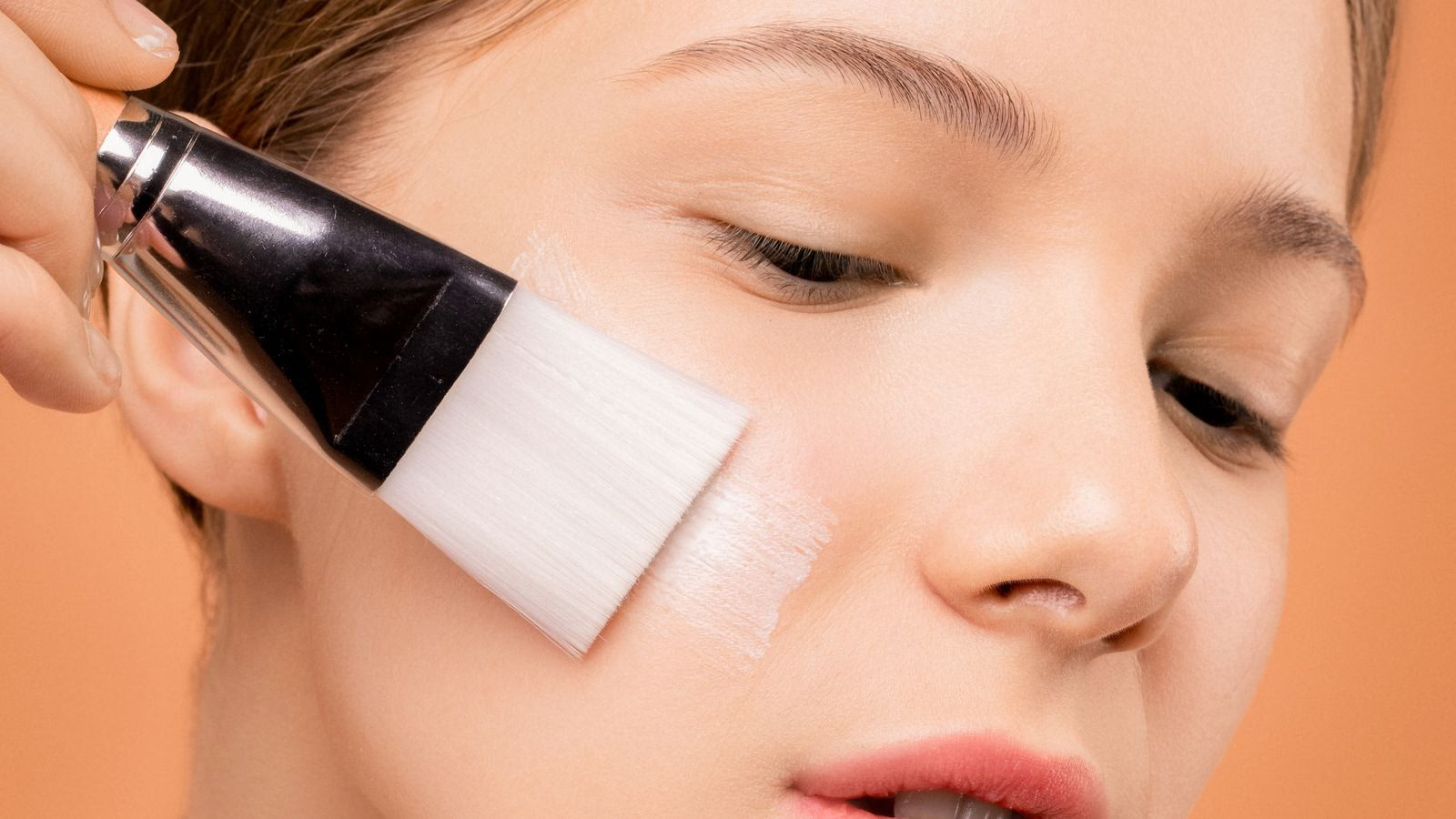
Limit hot showers to ten minutes; heat strips sebum. Use syndet bars or cream cleansers, not alkaline soap on body and face. Pat dry — do not rub — and apply moisturiser within three minutes while skin is damp. This single habit beats buying a fourth serum.
Ingredients That Actually Repair
Look for ceramides, cholesterol, and fatty acids in ratios mimicking skin barrier (many "barrier repair" creams follow this model). Urea at 5–10% hydrates and gently exfoliates scaly legs. Glycerin and panthenol draw water; seal with shea or squalane on top if still dry.
Avoid fragrance-heavy lotions if skin stings — common on windburned cheeks after cycling in the Netherlands or Scotland.
Day vs. Night Strategy
Morning: Lightweight cream plus SPF — UV still matters in alpine ski trips and sunny January days in Madrid.
Night: Richer occlusive — petrolatum, lanolin-free balms if allergic, or heavy cream slugging on cheeks only if acne-prone.
Home and Office Tweaks
Run a humidifier in the bedroom — target 40–50% humidity. Place one near your desk if hybrid working in a heated flat in Berlin. Drink enough fluids; estimate needs with our water intake calculator, adjusting for indoor heat.
When Dry Skin Is Medical
Persistent plaques, bleeding cracks, or suspected eczema need a GP or dermatologist — NHS, statutory insurance in Germany, or private clinics elsewhere. Over-the-counter hydrocortisone for a few days may help small inflamed patches; not for long-term face use without advice.
Body Care Beyond the Face
Dry brushing is optional; moisturising is not. Extend face-grade care to neck, chest, and hands — they age visibly. Our body exfoliation guide covers gentle body turnover without scratching.
Travel Between Climates
Many EMEA professionals fly from damp Lagos or Cairo to dry Paris weekly. Pack a small barrier cream; skip experimental acids during travel weeks. Cabin air worsens dehydration — remove makeup and layer mist plus cream on long-haul legs.
Product Layering Order
Water-based humectant serums first, cream second, oil or balm last if needed. Do not mix strong retinol with broken barrier — pause retinol until stinging stops.
Winter dry skin in Europe is predictable and manageable. Warm showers down, humidity up, ceramides on repeat — your spring skin starts in January.
Office Heating and Coworking Spaces
WeWork and Regus spaces from Warsaw to Dublin blast heating November through March. Sit away from direct radiator blast if possible; keep a small humidifier on desk if policy allows. Hand sanitiser overuse during flu season strips knuckles — follow with pocket hand cream. Gloves outdoors protect windburn on commute bike lanes common in Copenhagen and Munich cycling culture.
Eczema Overlap and Child Skin
Parents in Glasgow and Hamburg notice child cheek eczema flare in heated classrooms. Paediatric GP may recommend emollient baths and cotton layers — same barrier principles as adult winter care. Fragrance-free laundry detergent for school uniforms reduces itch triggers common in multi-child households across Ireland and Belgium.
Budget Barrier Repair Across Income Levels
Avene and Eucerin Urea creams sit in EU pharmacies at mid price; pure petrolatum slugging costs almost nothing in Turkish markets for occlusive night seal. Layer drugstore glycerin toner under cream when pay cycle tight in Nairobi expat month — effective does not mean expensive.
Students in shared Glasgow flats with one bathroom — agree on shower time limits so hot water bill and skin both benefit. Radiator drying laundry indoors spikes humidity unevenly; ventilate or use dehumidifier in bedroom where skin repairs overnight.
Layering With Active Skincare in Cold Months
Pause strong acids during ski trip week in Alps if windburn present — rebuild barrier first. Retinol nights alternate with urea body nights for legs; do not double irritate. Central heating in Swedish hygge apartments feels cosy and cruel simultaneously — humidifier plus barrier cream beats complaining about Stockholm darkness alone.
Your Practical Action Plan This Week
Block thirty minutes this week to implement one change from this guide — calendar it like a meeting in Outlook or Google Calendar used from Dubai to Dublin. Tell one accountability partner what you will try; social commitment doubles follow-through across cultures from Nigerian WhatsApp groups to German Sportverein friends.
Day one: audit what you already do — products, meals, training, or sleep habits — without buying anything new. Day two: add the single highest-impact step (SPF, protein at breakfast, mobility warm-up, or medicated shampoo). Day three: notice friction — what time, place, or family pattern blocks success? Adjust timing rather than willpower. Day four: prepare environment — gym clothes visible, meal containers washed, water bottle filled, pillow alarm set. Day five: repeat the new step at the same time; habitual cue matters more than motivation speeches.
Day six: reflect honestly in three sentences — what improved, what irritated, what to drop. Day seven: rest or light activity; recovery is part of the programme referenced across GlowFit guides including related articles linked above. If you fly between climates this week — common on EMEA business routes — pack travel sizes and do not experiment with new actives mid-trip.
Track one metric only: sleep hours, daily steps, water bottles, or gym sessions completed — not all at once. Simplicity sustains; complexity quits by February. Revisit this article monthly; the same words hit differently after Ramadan, winter, or a new job schedule. Health compound interest beats heroic single days.
Topics covered
- dry skin
- winter skincare
- Europe
- barrier repair
- eczema
Frequently Asked Questions
Why does skin get so dry in European winters?
Cold outdoor air, indoor central heating, and lower humidity strip lipids from the skin barrier. Cities from Berlin to Warsaw often see indoor humidity below 30%, which triggers flaking, tightness, and eczema flares on face and body.
What should I change in my routine from October to March?
Swap gel cleansers for cream or oil cleansers, add a hydrating serum under a richer ceramide moisturiser, and use a facial oil or balm on the driest areas at night. Run a humidifier in bedrooms where possible — especially in Scandinavian and Alpine homes with aggressive heating.
How often should I moisturise body skin in winter?
Apply fragrance-free body cream or ointment within three minutes of showering, while skin is still damp. Once daily minimum; twice if you have eczema-prone skin or work in heated offices across Northern or Central Europe.
Do I still need sunscreen in a European winter?
Yes on exposed skin, especially if you ski in the Alps or spend time outdoors at high UV reflection from snow. Use SPF on face and lips; choose a richer formula or layer SPF over a heavier moisturiser to prevent dryness.