Mediterranean Diet Meal Prep: Weekly Guide for Busy EMEA Kitchens
Batch-cook olive oil, legumes, and seasonal vegetables for lunches from Lisbon to Beirut — flavour without fuss.
Why the Mediterranean Pattern Fits EMEA
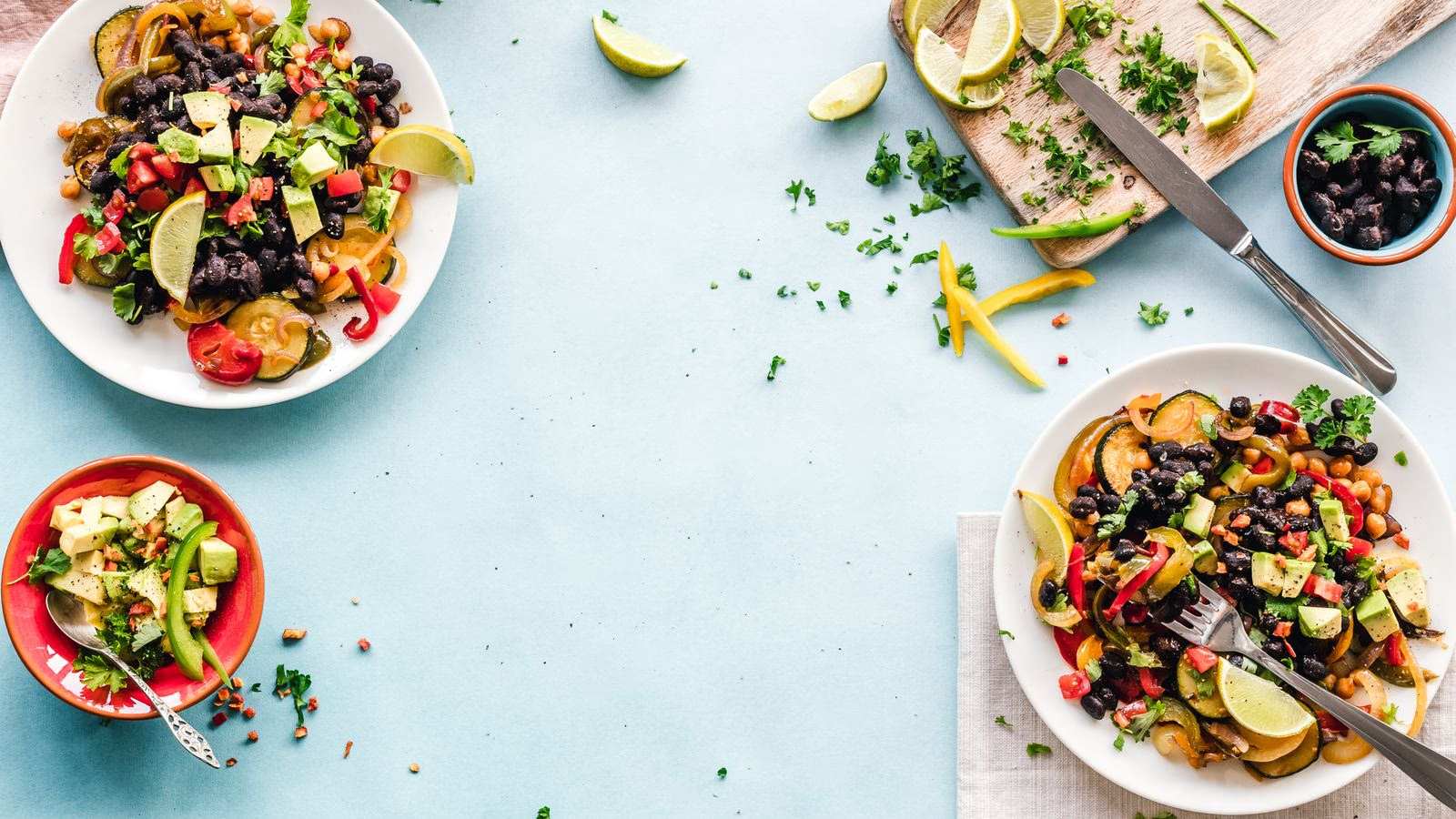
The Mediterranean dietary pattern — vegetables, legumes, whole grains, olive oil, fish, moderate dairy, limited ultra-processed food — aligns with tables in Greece, southern Italy, coastal Tunisia, and Levantine mezze culture. Research links it to heart health, stable weight, and longevity. It adapts to UK supermarkets, German discount chains, and Gulf import aisles when you plan weekly.
This is not a restrictive diet; it is a flexible plate model you meal prep once and eat all week.
The Prep Session (90 Minutes Sunday)
Shop: Seasonal produce — aubergine, tomatoes, cucumber, spinach, lemons, tinned chickpeas, lentils, wholegrain couscous or bulgur, Greek yogurt, olive oil, nuts, frozen fish fillets.
Cook in parallel:
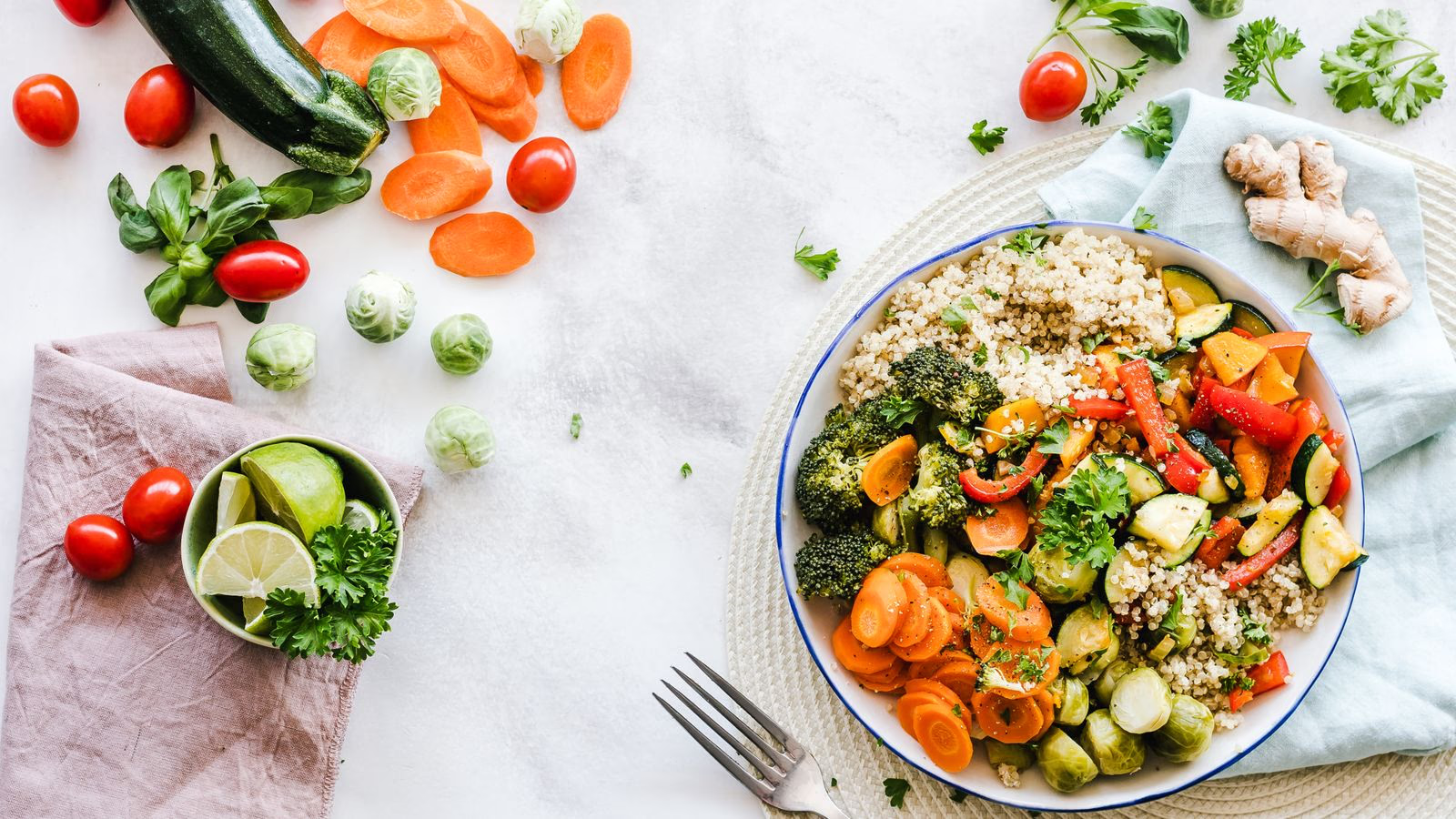
- Roast tray of mixed vegetables with olive oil and za'atar.
- Simmer lentil soup or chickpea stew.
- Boil eggs; cook batch of brown rice or farro.
- Wash salad greens; store with paper towel.
Portion into containers — glass lasts longer in heated offices from Amsterdam to Abu Dhabi.
Sample Day of Eating
Breakfast: Greek yogurt, honey drizzle, walnuts, berries
Lunch: Farro, roasted veg, grilled chicken or falafel, tahini lemon dressing
Snack: Orange, handful almonds
Dinner: Baked fish, big salad, olive oil drizzle, wholegrain bread if active
Adjust portions with our calorie calculator and activity from TDEE tool.
Protein and Training Alignment
Active readers pairing prep with home strength plans need 1.2–1.6 g/kg protein roughly — see precise targets in our protein intake guide. Add tuna, legumes, or skyr to hit numbers without only eating chicken.
Ramadan and Fasting Adaptations
Break fast with dates and soup; main Mediterranean plate at iftar; suhoor oats with nuts and labneh. Details in Ramadan fitness nutrition timing.
Budget Tips Across Regions
Frozen fish and tinned pulses cut costs in Nigeria and South Africa urban centres. Turkish and Moroccan markets in EU cities offer cheap bulk spices. Batch cooking reduces delivery app reliance — savings add up in London and Dubai alike.
Olive Oil Quality
Buy extra virgin in dark bottles; store cool. Use generously on salads — fear of fat often blocks adherence. Fat satiates; carbs alone spike hunger.
Meal Prep Safety
Refrigerate within two hours of cooking; eat most prepped meals within four days or freeze portions. Gulf car commutes need insulated lunch bags — food safety in heat matters; tie to hydration in hot climates.
Skincare Synergy
Nutrition supports skin — antioxidant-rich veg complement Mediterranean skincare routines. Not magic, but inflammation often softens with better food quality.
Mediterranean meal prep is colour on a plate, olive oil on everything reasonable, and Sunday rhythm that survives Monday meetings. Cook once, eat well, train better.
Feeding Families Across Generations
Multigenerational households in Cairo and Palermo mean meal prep must satisfy grandparents preferring traditional salt levels and teens wanting quick carbs. Cook base stew mild; individuals salt at table. Wholegrain pasta conversions happen gradually in Italian families sceptical of brown penne — mix half and half until acceptance.
Food Safety in Hot Deliveries
Meal-prepped lunches carried in non-insulated bags spoil fast in Abu Dhabi parking lots — invest in ice packs. Office microwaves reheat legume stews adequately; rice needs steaming with water cover to avoid dry clumps hated in Nigerian office lunch culture.
Linking Diet to Training Weeks
Heavy squat day? Add extra farro portion at lunch. Rest day? Lighter plate, same vegetables. Use TDEE calculator quarterly as weight shifts — static meal prep quantities stale after ten kilo change.
Reducing Food Waste in Batch Cooking
Roasted vegetables day five still fine in airtight container; day seven freeze or compost. Label containers with date in Arabic or English for multilingual households in UAE. Chickpea stew freezes excellently — thaw overnight for Tuesday lunch in Frankfurt office microwave queue.
Involve kids shelling fava or washing tomatoes — Mediterranean food culture is participatory; picky eaters accept food they helped prep. Link weekend prep to Monday home workout energy — heavy leg day needs carbs from farro bowl ready in fridge.
Seasonal Produce Rotation
Summer tomatoes and aubergines in Sicily markets; winter citrus and kale in Portugal — rotate prep menus quarterly so boredom does not drive Deliveroo relapse. Frozen vegetables nutritionally fine for stew bases when fresh prices spike in Nairobi rainy season. Herbs in pot on balcony — basil and mint — cheap flavour lift for Gulf apartment dwellers.
Your Practical Action Plan This Week
Block thirty minutes this week to implement one change from this guide — calendar it like a meeting in Outlook or Google Calendar used from Dubai to Dublin. Tell one accountability partner what you will try; social commitment doubles follow-through across cultures from Nigerian WhatsApp groups to German Sportverein friends.
Day one: audit what you already do — products, meals, training, or sleep habits — without buying anything new. Day two: add the single highest-impact step (SPF, protein at breakfast, mobility warm-up, or medicated shampoo). Day three: notice friction — what time, place, or family pattern blocks success? Adjust timing rather than willpower. Day four: prepare environment — gym clothes visible, meal containers washed, water bottle filled, pillow alarm set. Day five: repeat the new step at the same time; habitual cue matters more than motivation speeches.
Day six: reflect honestly in three sentences — what improved, what irritated, what to drop. Day seven: rest or light activity; recovery is part of the programme referenced across GlowFit guides including related articles linked above. If you fly between climates this week — common on EMEA business routes — pack travel sizes and do not experiment with new actives mid-trip.
Track one metric only: sleep hours, daily steps, water bottles, or gym sessions completed — not all at once. Simplicity sustains; complexity quits by February. Revisit this article monthly; the same words hit differently after Ramadan, winter, or a new job schedule. Health compound interest beats heroic single days.
Topics covered
- Mediterranean diet
- meal prep
- nutrition
- EMEA food
- healthy eating
Frequently Asked Questions
What foods define Mediterranean meal prep?
Build boxes around olive oil, whole grains (bulgur, farro, brown rice), legumes, seasonal vegetables, fish or lean poultry, nuts, and herbs. Batch-roast trays of aubergine, peppers, and courgettes — staples from Sicily to Beirut — then portion with protein and grains for four days.
How long do prepped Mediterranean meals last in the fridge?
Cooked grains and roasted vegetables keep three to four days refrigerated. Fish is best eaten within two days; prep extra chicken or chickpeas for later in the week. Use EU-standard airtight containers and label with prep dates.
Can I meal prep on a budget in Western Europe?
Yes. Dried lentils, chickpeas, tinned tomatoes, frozen spinach, and seasonal market produce keep costs lower than pre-made 'health' meals. Cook a large pot of soup or stew on Sunday — common practice from Portugal to Greece.
Is the Mediterranean diet suitable for muscle building?
Absolutely. Add sufficient protein (yoghurt, eggs, fish, legumes, lean meat) to each container and adjust portions upward on training days. Olive oil and nuts provide healthy fats without excluding strength goals.