HIIT vs Steady-State Cardio: Which Is Better for EMEA Lifestyles?
Compare high-intensity intervals and moderate cardio for busy professionals in Dubai, Milan, and Lagos — fat loss, heart health, and time efficiency.

Two Valid Paths to Cardiovascular Fitness
HIIT (high-intensity interval training) alternates hard efforts with recovery — 20 seconds on, 40 off, repeat. Steady-state cardio holds a moderate pace — 35 minutes brisk walking, cycling to work in Amsterdam, or swimming laps in Cape Town. Both improve heart health when programmed sensibly; neither magically outruns a poor diet.
Pick based on time, joints, sleep, and enjoyment — adherence wins.
HIIT: Pros and Cons
Pros: Time-efficient; boosts VO2 max quickly; fits lunch breaks in Frankfurt offices if shower available.
Cons: High impact versions stress knees and Achilles; poor sleep or Ramadan fasting makes HIIT risky; beginners may sacrifice form chasing burn.
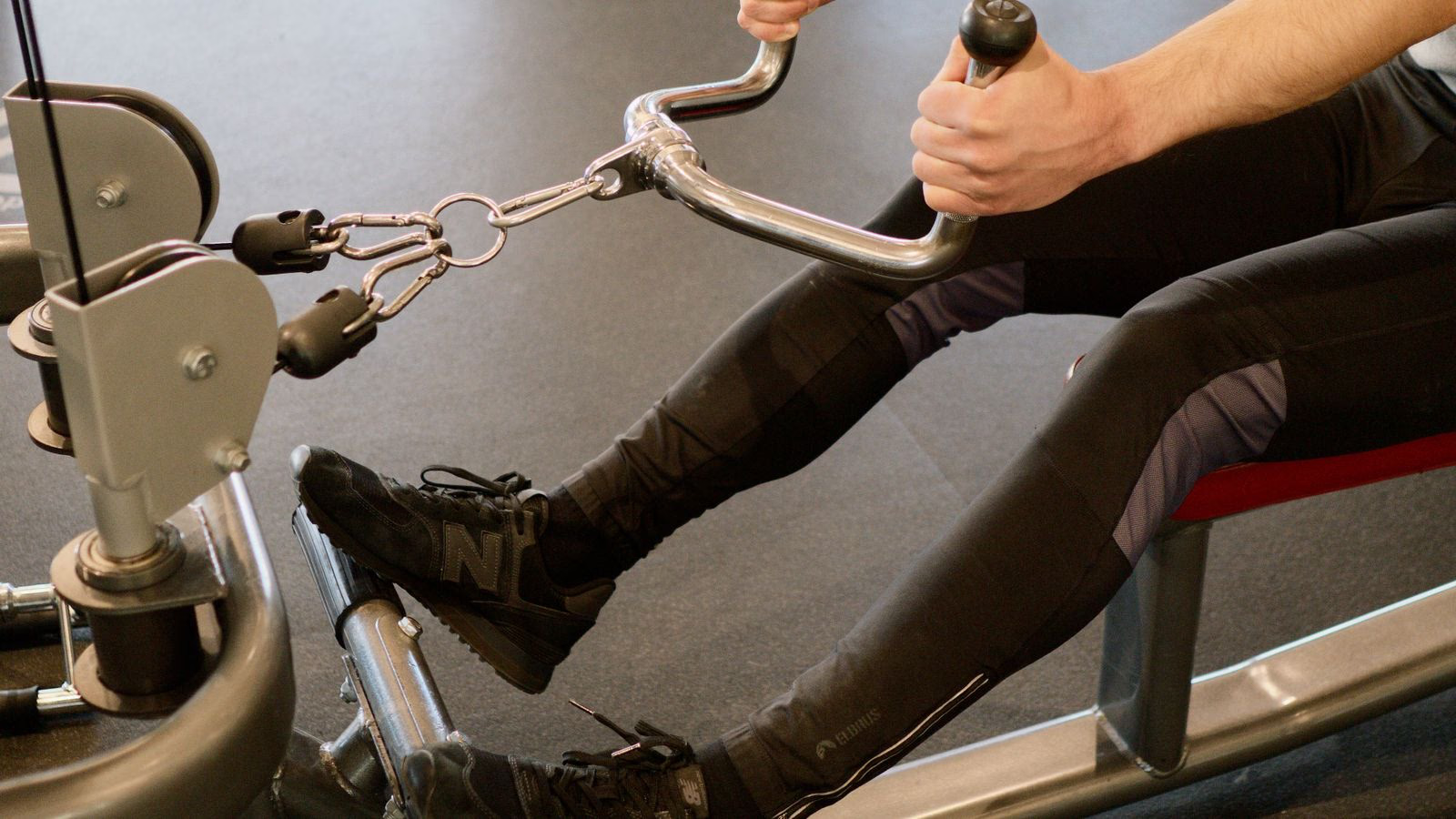
Sample beginner HIIT (bike or fast walk): 1 min hard, 2 min easy, repeat 8 times — 24 minutes total after warm-up.
Steady-State: Pros and Cons
Pros: Lower injury risk; aids recovery between strength days; meditative for mental health on Nile corniche walks or Spanish beach paths.
Cons: Longer sessions needed for similar calorie burn; boredom if you hate repetition.
Zone 2 — conversational pace where you can speak sentences — is trending for metabolic health. Our heart rate calculator helps estimate training zones by age.
Fat Loss Reality Check
Calorie deficit drives fat loss; cardio helps create deficit and improves health markers. HIIT does not burn fat for 48 hours while you sleep — a myth. Daily steps matter: 8,000–10,000 for desk workers in Riyadh offices with elevator culture adds steady expenditure without joint hammering.
Use TDEE calculator and calorie calculator as planning aids, not obsession tools.
Who Should Emphasise Which
Choose HIIT if: Younger joints, limited time, already strength training, cleared by doctor.
Choose steady-state if: Overweight with knee pain, pregnant (doctor-guided walking), building aerobic base, training during heat — Gulf midday HIIT outdoors is dangerous.
Combine: Many programmes use 2 HIIT sessions and 2 steady sessions weekly plus weights.
Heat and Air Quality in EMEA
Summer in Cairo, Dubai, and Marrakech — train cardio dawn or indoors with AC. Pollution in Lagos and Istanbul affects outdoor HIIT breathing hard — check local air quality apps; mask not ideal for sprints.
Sample Weekly Cardio Mix
- Monday: 30 min brisk walk (steady)
- Wednesday: 20 min bike intervals (HIIT)
- Saturday: 45 min hike or swim (steady)
Add mobility work on off days.
Recovery and Overtraining
More HIIT is not better. Cortisol, sleep disruption, and plateaus follow chronic exhaustion. Pair intense weeks with post-workout nutrition and sleep hygiene.
HIIT and steady-state are tools in the same shed. Build a mix you will still be doing in December — not a burnout sprint in March.
Wearables and Heart Rate Drift in Heat
Apple Watch and Garmin devices popular in Dubai and Cape Town overestimate calories in high heart-rate drift scenarios — use feel and pace, not device praise alone. Our heart rate calculator sets zone baselines; adjust down 5–10 beats in humid Lagos mornings.
Age and Joint Considerations
Readers over forty-five in Milan or Riyadh often prefer incline walking over box jumps — wise choice. HIIT can be low-impact: battle ropes, bike, rower. Steady swimming at municipal pools in Rome or Casablanca spares knees while building lung capacity for hikers planning Atlas mountain treks.
Cardio for Skin and Circulation
Moderate steady cardio improves peripheral circulation — complements body exfoliation glow from the inside. Extreme chronic cardio without fuel stresses skin and hair; balance with sleep recovery.
Programming a Sustainable Month
Week one: two steady sessions, one HIIT. Week two: equal split. Week three: listen — knee niggle means swap jump lunges for bike HIIT. Week four deload steady only if sleep scores drop. Repeat. Sustainable beats heroic single week that triggers month off.
Corporate step challenges in London and Dubai towers gamify steady movement — 8,000 steps before iftar supports metabolism without joint stress. Stairs beat elevator when meetings allow; calf pump aids venous return on long desk days.
Returning After Injury or Illness
Post-COVID or flu return in Milan office culture often rushes — walk two weeks steady before HIIT again. Physiotherapists in UK NHS recovery pathways emphasise gradual load; same for self-coached runners in Kenya rebuilding after hamstring strain. Ego prolongs injury; steady base shortens total downtime.
Your Practical Action Plan This Week
Block thirty minutes this week to implement one change from this guide — calendar it like a meeting in Outlook or Google Calendar used from Dubai to Dublin. Tell one accountability partner what you will try; social commitment doubles follow-through across cultures from Nigerian WhatsApp groups to German Sportverein friends.
Day one: audit what you already do — products, meals, training, or sleep habits — without buying anything new. Day two: add the single highest-impact step (SPF, protein at breakfast, mobility warm-up, or medicated shampoo). Day three: notice friction — what time, place, or family pattern blocks success? Adjust timing rather than willpower. Day four: prepare environment — gym clothes visible, meal containers washed, water bottle filled, pillow alarm set. Day five: repeat the new step at the same time; habitual cue matters more than motivation speeches.
Day six: reflect honestly in three sentences — what improved, what irritated, what to drop. Day seven: rest or light activity; recovery is part of the programme referenced across GlowFit guides including related articles linked above. If you fly between climates this week — common on EMEA business routes — pack travel sizes and do not experiment with new actives mid-trip.
Track one metric only: sleep hours, daily steps, water bottles, or gym sessions completed — not all at once. Simplicity sustains; complexity quits by February. Revisit this article monthly; the same words hit differently after Ramadan, winter, or a new job schedule. Health compound interest beats heroic single days.
Topics covered
- HIIT
- cardio
- fat loss
- heart health
- running
Frequently Asked Questions
Which burns more fat — HIIT or steady-state cardio?
Both burn calories; neither spot-reduces fat. HIIT delivers similar calorie burn in less time and may improve VO₂ max quickly. Steady-state (brisk walking, cycling, jogging) is easier to recover from and suits daily habits — popular for commuters across European cities building a sustainable deficit.
How often should I do HIIT per week?
Two to three HIIT sessions of 15–25 minutes is enough for most people. More can interfere with strength recovery and spike cortisol, especially if you are also fasting, sleeping poorly, or training in hot Middle Eastern summers.
Is steady-state cardio better for beginners?
Often yes. Zone 2 cardio — conversational pace for 30–45 minutes — builds an aerobic base with low injury risk. Add HIIT gradually once you can complete three steady sessions per week without excessive fatigue.
Can I combine HIIT and steady-state in one programme?
Yes. A common EMEA-friendly split is two strength days, two steady-state sessions (walking or cycling), and one HIIT day, with rest or mobility on remaining days. Adjust volume during Ramadan, winter illness season, or heavy work travel.